

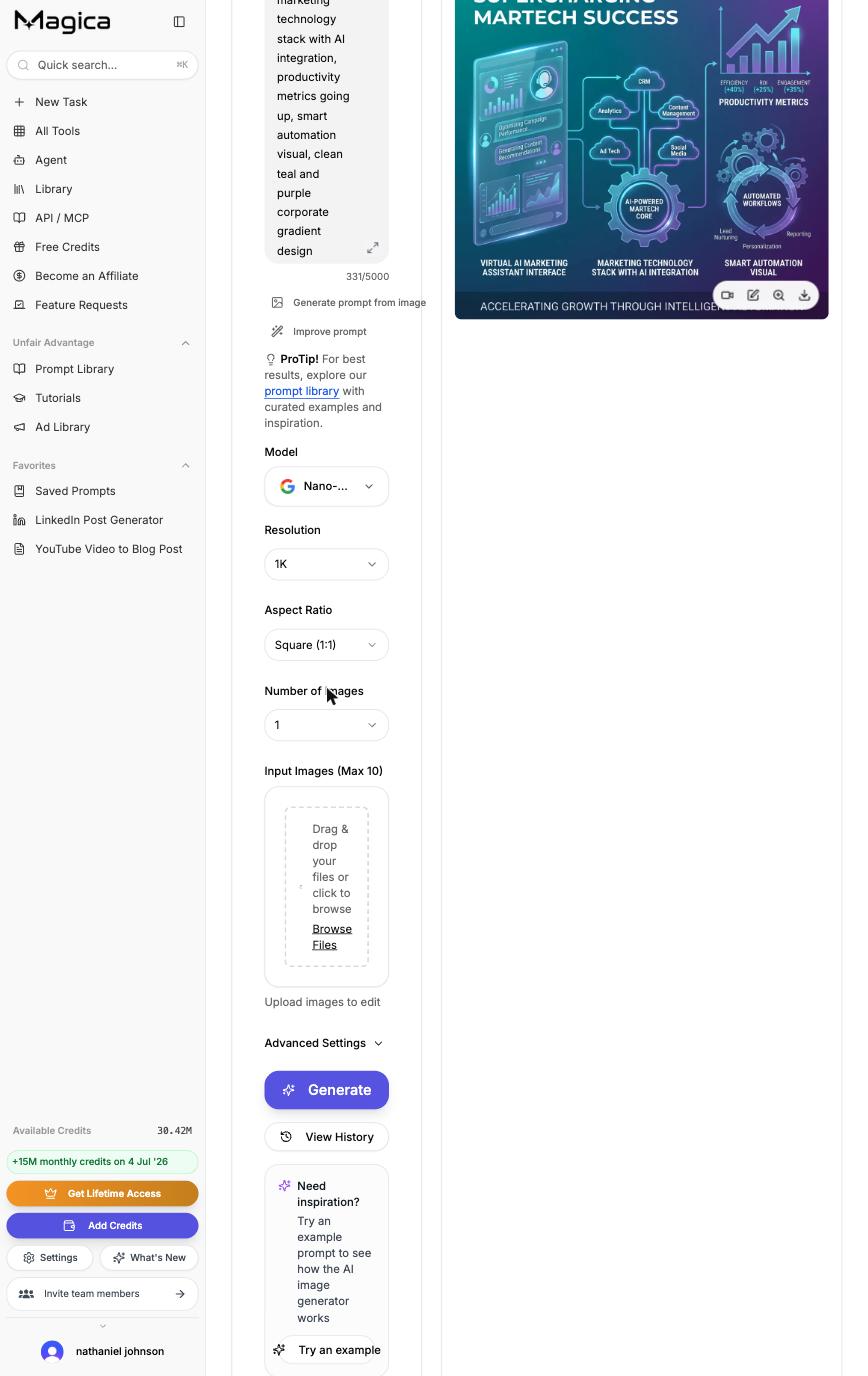
Harnessing AI Assistants to Strengthen Martech Capabilities
As enterprise marketing evolves, the rise of AI-powered assistants is transforming how businesses manage and execute marketing strategies. These intelligent agents can automate complex workflows, improve data accuracy, and deliver personalized experiences at scale. In this post, we explore the latest developments in AI assistants within Martech and how they can empower your organization to stay ahead of the competition.
The Growing Role of AI Assistants in Martech
Recent advancements have seen AI assistants move beyond simple chatbots to become integral parts of marketing technology stacks. These agents leverage natural language processing, machine learning, and predictive analytics to perform tasks such as lead scoring, content recommendations, and campaign optimization. For enterprise businesses, incorporating AI assistants means enhanced operational efficiency and more sophisticated customer engagement.
Addressing Weaknesses in Martech with AI
According to martech.org, many Martech platforms, including Marketo, Hubspot, and Salesforce, face challenges in handling complex data workflows and delivering real-time insights. AI assistants can bridge these gaps by automating routine tasks, reducing human error, and providing marketers with actionable intelligence. This not only accelerates decision-making but also frees up valuable human resources for strategic initiatives.
Implementation Strategies for Enterprises
To effectively integrate AI assistants, enterprises should focus on aligning these tools with their existing CRM systems. For example, within Salesforce, AI agents like Einstein can automate lead prioritization based on behavioral data. Setting up these integrations involves configuring APIs and dashboards that allow AI to access and analyze real-time data streams.
Example & Tutorial: Automating Lead Scoring in Salesforce with Einstein AI
- Navigate to your Salesforce setup and locate Einstein Lead Scoring under Einstein Analytics.
- Configure your lead data sources, ensuring all relevant fields (e.g., engagement history, demographic info) are included.
- Define scoring models by selecting the key indicators that predict lead quality.
- Run the AI model to generate scores, and embed these within your lead views for instant priority assessment.
- Set up automated workflows to notify sales reps of high-scoring leads, streamlining follow-up efforts.
By utilizing Einstein AI in this way, enterprises can ensure their sales teams focus on the most promising prospects, increasing conversion rates and revenue.
AI assistants are rapidly becoming essential tools for enterprise marketing teams, helping to overcome longstanding Martech limitations. By automating workflows and providing real-time insights, these agents enable smarter decision-making and greater operational efficiency. Integrating AI into your CRM can unlock new levels of personalization and engagement, giving your business a competitive edge in today’s digital landscape.

Leave a Reply