

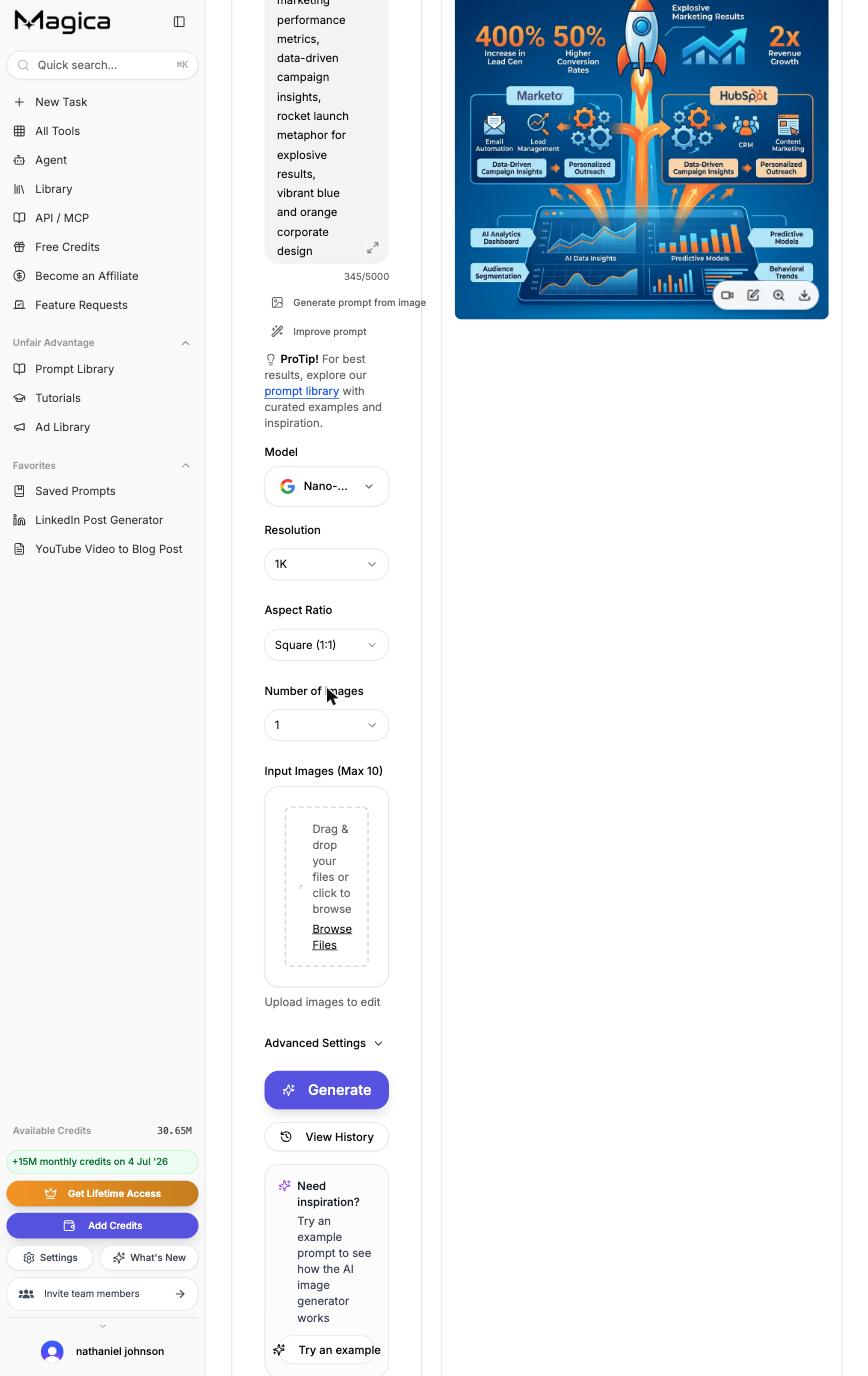
Harnessing AI-Driven Data Insights to Revolutionize Marketing Automation
As enterprise marketing teams grapple with increasing data volumes, leveraging artificial intelligence (AI) within CRM platforms like Marketo, HubSpot, and Salesforce becomes essential. Recent advancements in AI-powered analytics are enabling businesses to make smarter, data-driven decisions that optimize campaigns and improve customer engagement. This blog explores how AI-driven insights are transforming marketing automation at scale.
The Power of AI in Marketing Data Analysis
Traditional marketing automation relies heavily on predefined rules and basic segmentation, which often fall short in capturing the complexity of customer behaviors. Today’s AI-integrated platforms analyze massive datasets in real-time, uncovering hidden patterns and predicting future actions. For instance, Marketo’s AI features enable predictive lead scoring, where AI models assess the likelihood of a lead converting based on behavioral signals and demographic data.
By automating these insights, marketing teams can focus on crafting personalized experiences instead of manually sifting through data. Salesforce’s Einstein AI offers similar capabilities, helping enterprises identify high-value prospects and optimizing campaign timing through predictive analytics. This approach not only improves conversion rates but also enhances customer satisfaction by delivering relevant content at the right moment.
Deepening Customer Engagement with AI-Driven Personalization
AI’s ability to analyze individual customer journeys allows for hyper-personalized marketing. Platforms like HubSpot now feature AI-enabled content recommendations and email personalization, dynamically adjusting messaging based on user interactions. For enterprise businesses, this means delivering tailored content that resonates deeply, fostering loyalty and reducing churn.
Furthermore, AI-powered chatbots integrated into these CRM systems provide round-the-clock engagement, answering queries, and guiding prospects through the sales funnel without human intervention. These tools can learn from every interaction, continuously improving their responses and effectiveness over time.
Step-by-Step Tutorial: Implementing Predictive Lead Scoring in Marketo
- Access Marketo’s Predictive Content Feature: Log into your Marketo instance and navigate to the “Analytics” tab.
- Create a New Model: Select “Predictive Content” and choose “New Model.” Define the criteria, such as prior conversions and engagement activities.
- Connect Data Sources: Ensure your CRM data, including leads and contacts, are linked and activity feeds are up-to-date.
- Train the Model: Use historical data to train the AI model, allowing it to learn what characteristics correlate with successful conversions.
- Deploy and Monitor: Apply the predictive scores to your lead database, and monitor performance metrics, adjusting parameters as needed for accuracy.
By integrating this AI-powered lead scoring, your marketing team can prioritize high-potential leads and allocate resources more efficiently, ultimately driving higher pipeline revenue.
Conclusion
Incorporating AI-driven data insights into your marketing automation stack empowers enterprise businesses to deliver more personalized, effective campaigns. Platforms like Marketo, HubSpot, and Salesforce are continually evolving to provide smarter analytics and automation tools. Embracing these innovations ensures your marketing efforts stay competitive and tightly aligned with customer needs in a data-rich environment.

Leave a Reply