

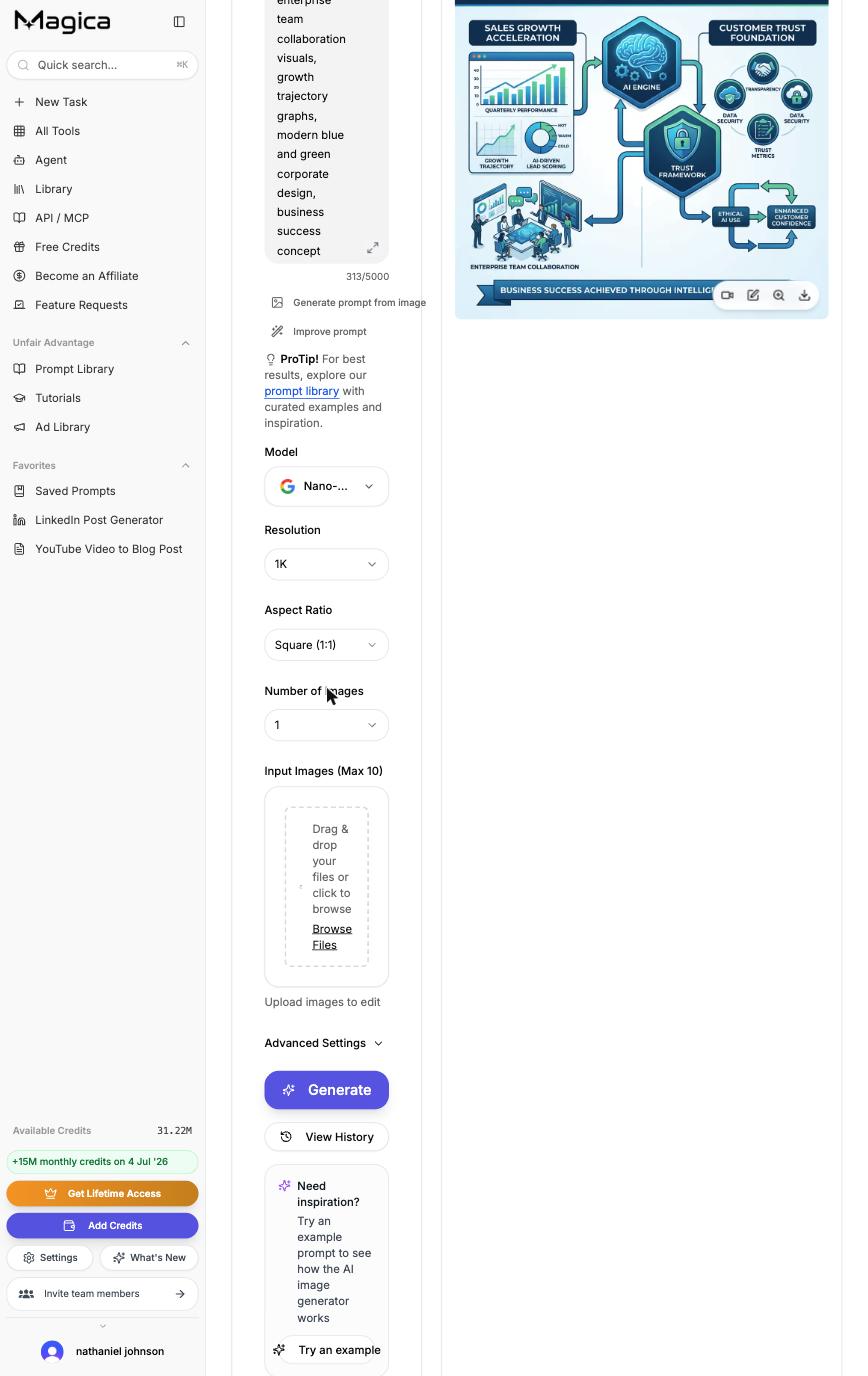
Harnessing AI to Scale Sales While Building Trust in Enterprise Marketing
Artificial Intelligence (AI) continues to revolutionize enterprise marketing, enabling companies to scale their sales efforts efficiently. However, with the rapid adoption of AI-driven tools, concerns around trust and authenticity have become prominent. This blog explores how leveraging AI responsibly can enhance sales without compromising trust, especially within sophisticated enterprise environments.
The Double-Edged Sword of AI in Enterprise Sales
AI technologies like predictive analytics, chatbots, and personalized content have the potential to significantly increase sales productivity. In platforms such as Salesforce and Marketo, AI automates routine tasks, identifies high-value leads, and delivers tailored communication at scale. Yet, this efficiency often raises questions about authenticity and customer trust.
Research from martech.org highlights a crucial aspect: AI can amplify sales efforts efficiently, but it cannot replace genuine trust-building. Customers value authenticity and transparency, which AI tools must be designed to support rather than obscure.
Building Trust Through Responsible AI Usage
For enterprise marketers, the key lies in integrating AI thoughtfully:
- Prioritize transparency by clearly indicating when interactions are AI-driven.
- Use AI to support human interactions rather than replace them, ensuring personal touchpoints remain authentic.
- Monitor AI outputs constantly to prevent biases and inaccuracies that could undermine trust.
In platforms like HubSpot and Marketo, advanced AI features such as predictive scoring and next-best-action recommendations can be customized to align with brand voice and ethical standards, fostering genuine relationships.
Practical Example: Using Marketo to Personalize Customer Journeys
Consider an enterprise SaaS provider aiming to nurture leads efficiently. By leveraging Marketo’s AI capabilities, they can create highly segmented lists based on behavioral data, then dynamically personalize email content at scale. Here’s a quick tutorial:
- Set up a smart list in Marketo using behavioral triggers such as content downloads or webinar attendance.
- Enable the AI-driven Predictive Content feature to recommend personalized assets in real-time.
- Draft email templates that incorporate personalization tokens sourced from AI insights.
- Launch the campaign and monitor engagement metrics to refine the AI models continuously.
This approach not only accelerates lead nurturing but also maintains the authenticity needed to build trust, demonstrating that AI can enhance personalization responsibly.
Conclusion
As AI continues to transform enterprise marketing, the balance between scale and trust must be carefully managed. By designing AI-driven initiatives that prioritize transparency, personalization, and ethical use, enterprise businesses can reap the benefits of increased sales while maintaining strong customer trust. Proper integration of tools like Marketo, HubSpot, and Salesforce ensures these advancements are both effective and trustworthy.

Leave a Reply