

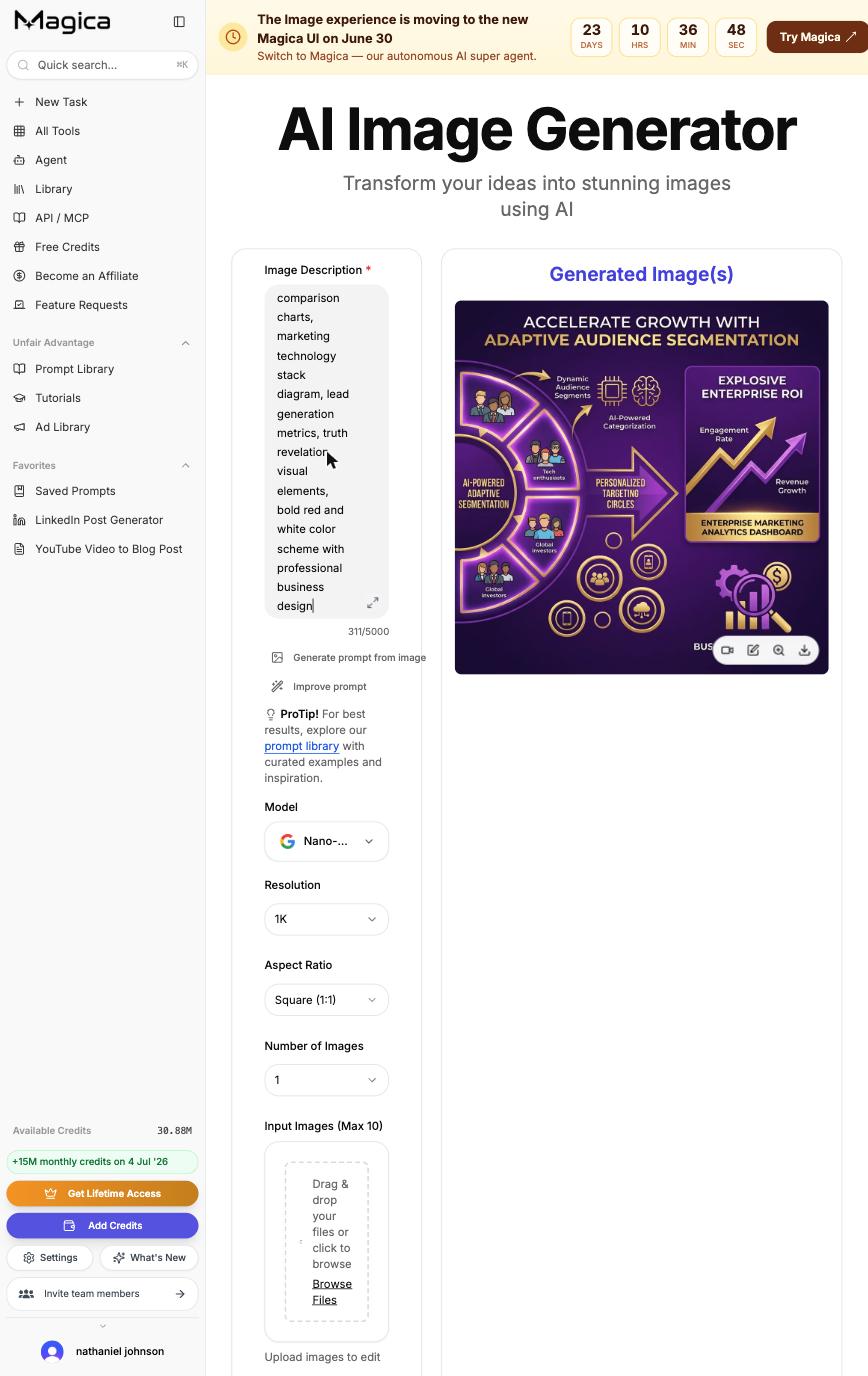
Harnessing Adaptive Audience Segmentation to Enhance Enterprise Marketing Strategies
In today’s fast-paced digital landscape, enterprise marketers are seeking smarter ways to connect with their audiences. Adaptive audience segmentation, an innovative feature offered by platforms like HubSpot and Salesforce, enables dynamic targeting based on real-time data. This article dives into how this technology can revolutionize enterprise marketing and boost ROI.
Understanding Adaptive Audience Segmentation
Traditional segmentation methods rely on static criteria such as demographics or past behavior, which can quickly become outdated, leading to ineffective campaigns. Adaptive audience segmentation takes this a step further by utilizing machine learning algorithms to continuously analyze user interactions, preferences, and engagement metrics. This dynamic approach allows marketers to create hyper-targeted segments that evolve with customer behavior.
Key Benefits for Enterprise Businesses
- Real-Time Personalization: Adaptive segmentation enables instant adjustments to messaging and offers, ensuring content remains relevant to each user.
- Improved Engagement: By delivering tailored experiences, enterprises can see higher click-through and conversion rates.
- Enhanced Data Utilization: Integrating data from multiple sources (CRM, website analytics, social media) results in a comprehensive customer view for smarter decision-making.
- Efficient Use of Resources: Automated adjustments reduce the time spent on manual campaign tweaks, freeing up marketing teams for strategic planning.
Implementing Adaptive Segmentation in Your Marketing Automation
Platforms like Salesforce Marketing Cloud and HubSpot have incorporated adaptive segmentation features, allowing marketers to set up rules that automatically adjust audiences based on recent behaviors. Here’s a step-by-step tutorial on how to leverage these tools effectively:
- Connect Data Sources: Integrate your CRM, website analytics, and social media data to create a unified customer profile.
- Create Rules for Dynamic Segmentation: Set parameters such as recent purchase frequency, engagement levels, or browsing activity.
- Automate Segment Updates: Enable the platform’s machine learning capabilities to continuously analyze incoming data and adjust segments accordingly.
- Design Targeted Campaigns: Develop personalized content tailored to each dynamic segment for email, social, or web delivery.
- Monitor and Optimize: Track real-time performance metrics, refining rules to improve engagement further.
Real-World Example
Consider a global enterprise retailer that uses Salesforce Marketing Cloud’s adaptive segmentation to personalize email offers based on recent browsing and purchase behaviors. When a customer shows interest in a specific product category but hasn’t purchased recently, the platform adjusts the segment, triggering targeted promotions, leading to increased conversion rates and customer loyalty.
Conclusion
Adopting adaptive audience segmentation offers enterprise marketers a strategic advantage by enabling more relevant, timely, and automated campaigns. This not only improves customer engagement but also increases operational efficiency. As marketing technology continues to evolve, those leveraging these innovative segmentation strategies will stay ahead in competitive markets.

Leave a Reply