 (909) 474-2386
 Suwanee, GA

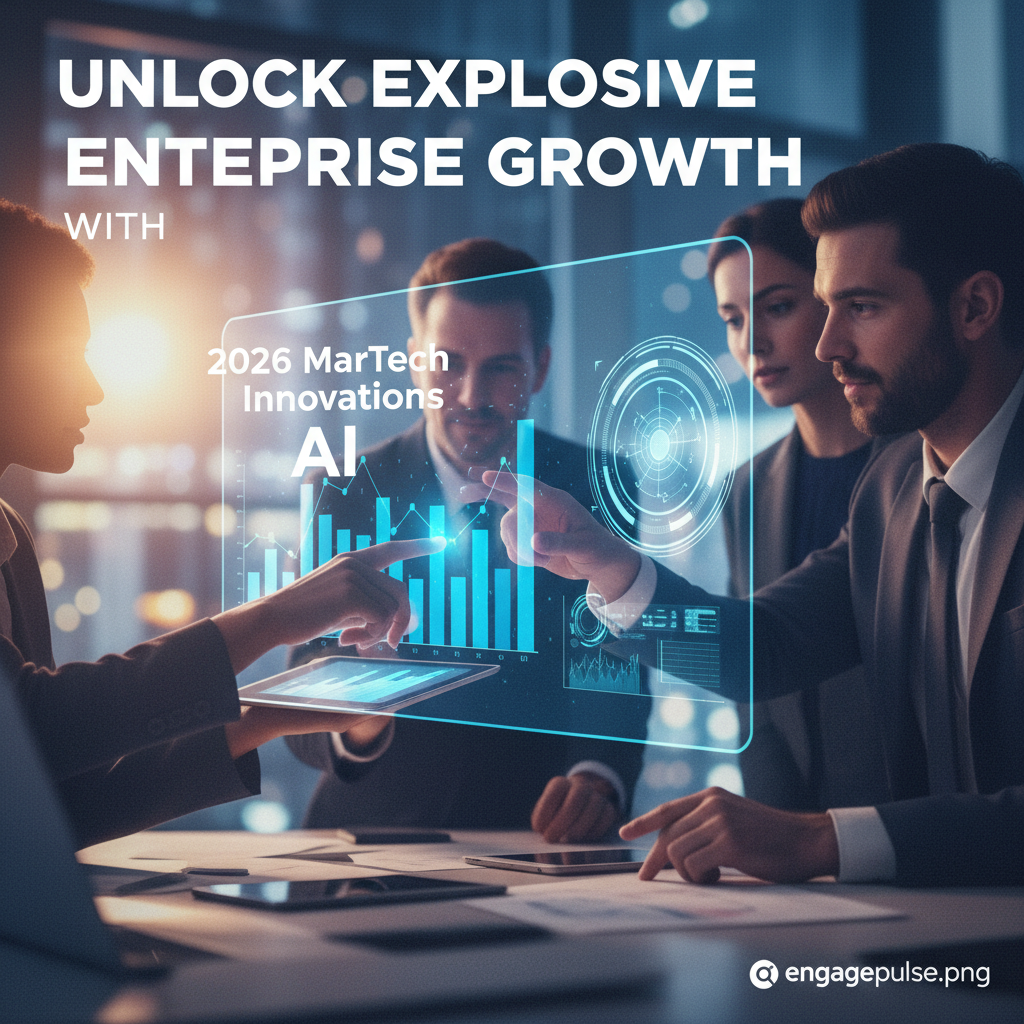
Leveraging the Latest MarTech Innovations to Drive Enterprise Marketing Success in 2026
As the marketing technology landscape continues to evolve rapidly, enterprise businesses must stay ahead of the curve to maximize ROI and improve customer engagement. This article explores recent advancements in MarTech, focusing on how these updates can streamline automation, enhance personalization, and ultimately deliver measurable value for large-scale organizations.
The Rise of Intent Data and Its Impact on Enterprise Targeting
One significant trend in 2026 is the increased utilization of intent data. Platforms like Adobe’s Marketo are now integrating advanced AI-driven intent signals that allow enterprises to identify prospects actively researching solutions. This shift enables more precise targeting, reducing wasted spend and improving conversion rates.
For example, Marketo’s new intent modeling feature aggregates signals from multiple sources—browser behavior, content consumption, social activity—to create a comprehensive intent profile. This data empowers marketers to send hyper-targeted campaigns at the right moment, increasing the likelihood of engagement.
How to Use Intent Data for Your Campaigns
- Set up intent data streams within your automation platform, like Marketo or HubSpot.
- Segment your audience based on their intent signals, such as pages visited or content downloaded.
- Automate personalized outreach, such as targeted email sequences or ad retargeting, triggered by specific intent behaviors.
This approach ensures your messaging aligns more closely with prospects’ needs, driving higher engagement and faster movement through the sales funnel.
Enhanced Data Privacy and Its Effect on Marketing Automation
Another key development is the increased emphasis on data privacy, driven by regulations and consumer expectations. Martech platforms are now implementing more robust compliance features, which influence how enterprises collect and use customer data.
For instance, Salesforce’s recent updates include enhanced consent management tools, enabling marketers to obtain, document, and honor user preferences seamlessly. This not only builds trust but also safeguards against compliance risks, making automated campaigns more sustainable in the long term.
Implementing Privacy-First Automation
- Audit your existing data collection practices to ensure compliance with regulations like GDPR and CCPA.
- Leverage built-in consent management tools within your CRM platform to document user permissions.
- Design your automation workflows to adapt dynamically based on consent status, ensuring you respect user preferences.
By integrating these privacy-first strategies, enterprise marketers can foster trust and maintain data integrity while executing effective automation campaigns.
Integrating AI and Machine Learning for Smarter Campaigns
AI-driven automation tools are becoming more sophisticated, offering predictive analytics and intelligent decision-making capabilities. Platforms like HubSpot have enhanced their AI functionalities, allowing enterprises to optimize campaigns continuously based on real-time data.
For example, predictive lead scoring helps identify high-value prospects by analyzing historical interactions, behavior patterns, and demographic data. This enables sales teams to prioritize efforts and personalize outreach at scale, significantly improving conversion rates.
How to Deploy AI for Your Enterprise Campaigns
- Activate predictive scoring models within your CRM (e.g., HubSpot or Salesforce Einstein).
- Use AI insights to segment your audience dynamically based on predicted behaviors.
- Automate personalized content recommendations and follow-up activities triggered by AI-generated predictions.
This approach enhances your marketing efficiency and ensures your team focuses on high-potential leads, accelerating revenue growth.

Leave a Reply