

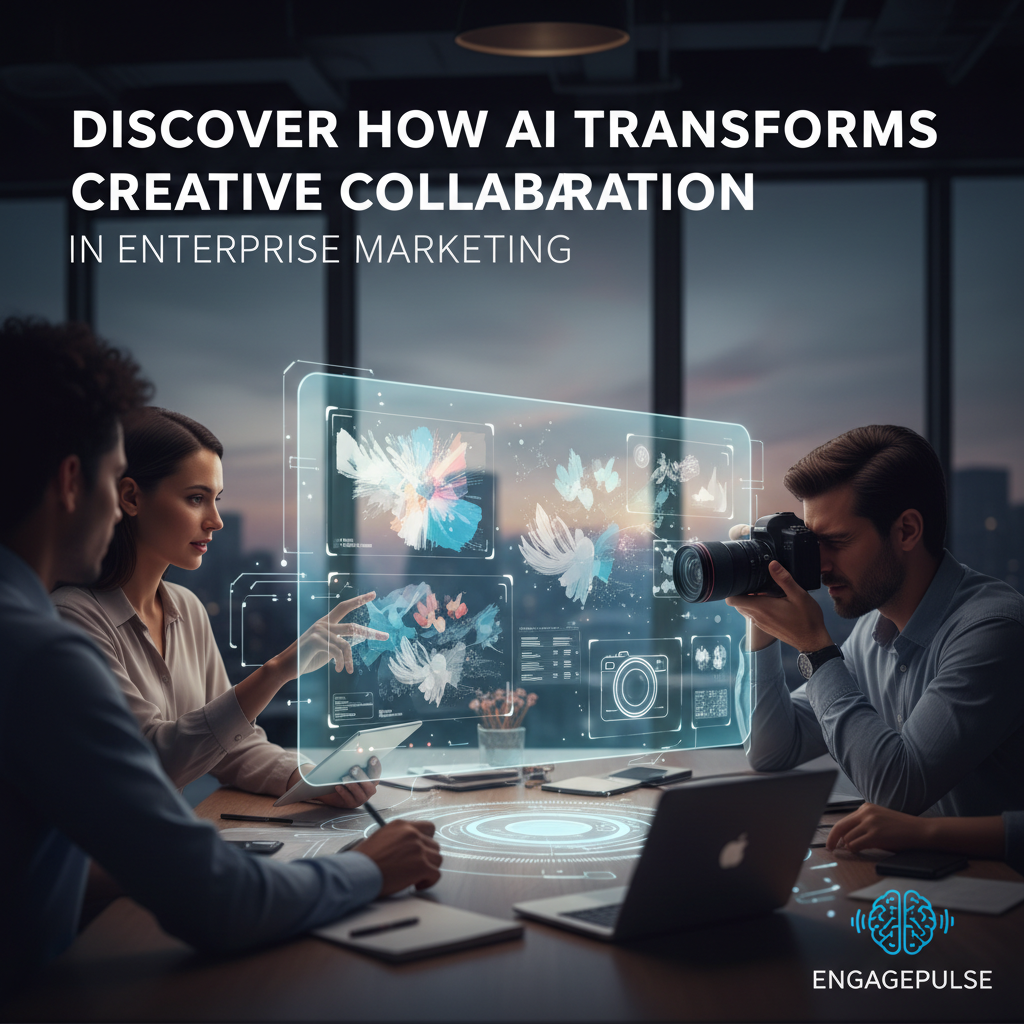
The Impact of AI-Enhanced Creative Collaboration on Marketing Innovation
As marketing technology rapidly advances, AI is increasingly transforming how creative and technical teams collaborate. This synergy not only accelerates campaign development but also enhances personalization and strategic insights. In this article, we’ll explore how AI-driven tools are redefining marketing operations, especially for enterprise-level businesses looking to stay ahead in a competitive landscape.
Bridging Creativity and Data with AI
One of the most significant shifts in marketing technology is AI’s ability to facilitate seamless collaboration between creative teams and data analysts. Platforms such as Adobe’s AI-powered Sensei and HubSpot’s predictive analytics enable marketers to generate creative content tailored to audience segments dynamically. AI algorithms analyze consumer behavior, allowing teams to adjust messaging in real time, ensuring campaigns resonate more deeply with target demographics.
For enterprise businesses, integrating AI into their marketing stacks means fewer silos and more cohesive strategies. For example, Adobe’s Sensei uses machine learning to automate tasks like image recognition, content tagging, and personalization. Such capabilities free up creative teams to focus on high-level strategy while letting AI handle routine, time-consuming processes.
Leveraging Marketing Automation with AI Insights
Marketing automation platforms like Marketo and Salesforce have incorporated AI-driven features that not only automate workflows but also optimize campaign performance. Predictive scoring models help prioritize leads, enabling sales teams to focus on high-value prospects. Automated content recommendations ensure messaging remains relevant, increasing engagement and conversion rates.
The real value arises from combining these automation tools with AI insights—allowing for personalized experiences at scale. For example, Marketo’s AI-powered engagement platform can automatically nurture leads based on their behavior, streamlining the path from interest to conversion without constant human intervention.
How Enterprise Marketers Can Implement These Technologies
To leverage these innovations effectively, enterprises should begin with a clear understanding of their data and creative assets. Implementing AI-driven tools requires setting up data pipelines that facilitate real-time analysis and feedback. Training teams on the nuanced use of AI outputs enhances their ability to create compelling, personalized campaigns.
For instance, using Marketo’s AI features, a marketing team can set up an automation campaign that adjusts content-based on recipient engagement signals. Here’s a simple tutorial:
- Connect your Marketo account with your customer database.
- Create a smart list that filters contacts based on recent engagement.
- Design personalized email content using dynamic content blocks.
- Set up an engagement program that automatically adjusts follow-up timing based on recipient interactions.
- Activate the campaign and monitor performance metrics.
This approach ensures marketing efforts are continually optimized through AI-driven insights, leading to higher engagement and conversion rates.
Conclusion
Integrating AI into marketing workflows is revolutionizing how enterprise businesses approach creative collaboration and automation. These technologies enhance personalization, streamline processes, and provide strategic insights that drive growth. By adopting AI-powered platforms like Marketo, HubSpot, and Adobe Sensei, marketers can craft more impactful campaigns and achieve a competitive edge in the evolving digital landscape.

Leave a Reply