 (909) 474-2386
 Suwanee, GA

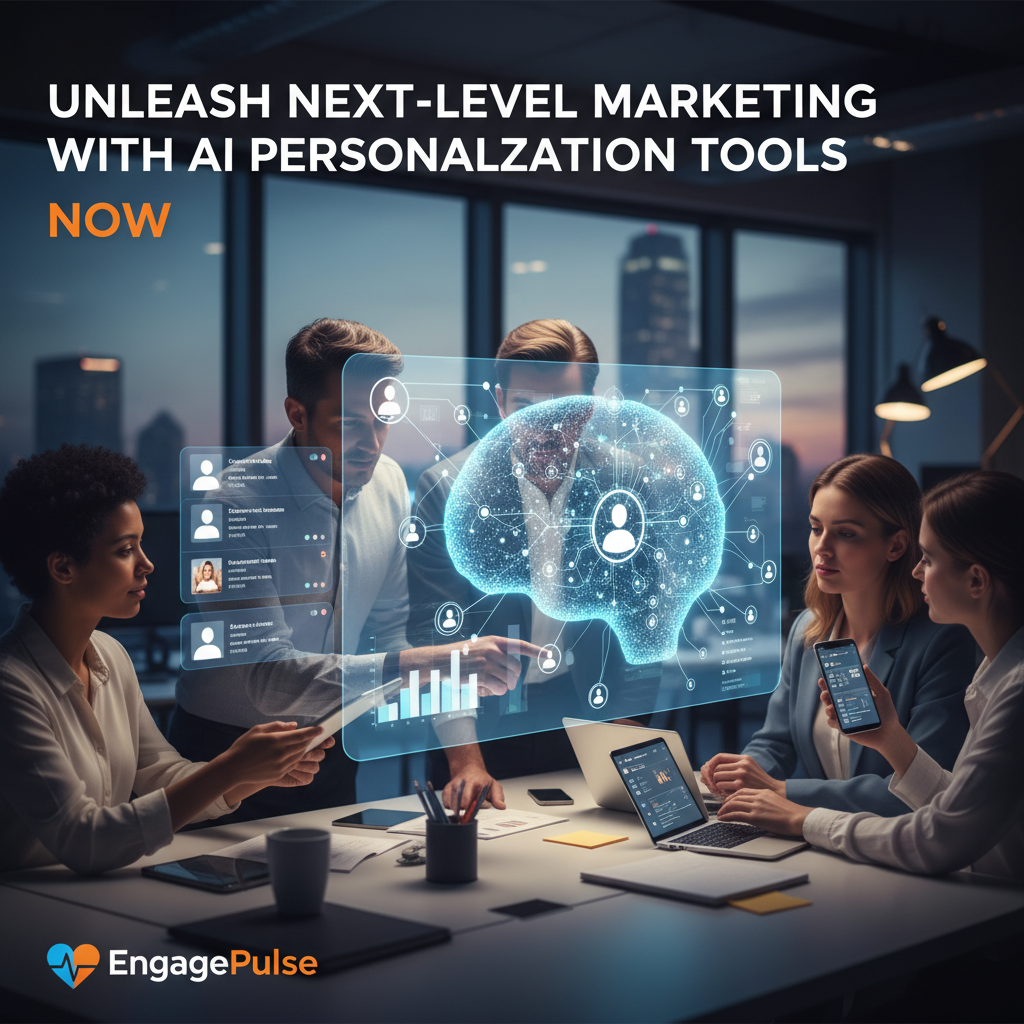
Embracing AI-Enhanced Personalization in Marketing Operations
In an era where customer expectations are higher than ever, enterprise businesses must leverage advanced AI capabilities to deliver personalized marketing experiences. Recent updates in marketing automation platforms highlight a shift towards intelligent personalization, empowering companies to create more relevant content and engagement strategies. Let’s explore how these innovations are transforming marketing operations and driving results.
Deep Dive into AI-Driven Personalization Features
Modern marketing automation platforms like Adobe Marketo, HubSpot, and Salesforce have integrated sophisticated AI algorithms to refine customer segmentation and content delivery. For instance, Adobe’s recent updates focus on predictive content recommendations, analyzing user behavior in real-time to adapt messaging dynamically. This allows marketers to move beyond static segmentation models, offering hyper-targeted experiences that resonate with individual customer journeys.
These platforms harness machine learning to analyze vast data sets—including past interactions, browsing patterns, and engagement histories—to predict future behaviors. As a result, marketing teams can automate personalized email campaigns, website content, and ad targeting with unprecedented precision. This level of automation not only improves customer satisfaction but also increases conversion rates significantly.
One critical challenge in implementing AI-driven personalization is ensuring data privacy and ethical use. Leading platforms now incorporate privacy-centric models, allowing enterprises to adhere to regulations like GDPR and CCPA while still delivering tailored experiences. These updates emphasize transparency, giving customers control over their data and building trust through responsible automation.
Practical Application: Implementing AI Personalization with Marketo
To illustrate, let’s consider how an enterprise B2B software provider can use Marketo’s AI features to personalize their email campaigns. Here’s a step-by-step tutorial:
- Segmentation: Use Marketo’s predictive content feature to analyze your existing customer data, grouping contacts based on predicted engagement levels.
- Content Personalization: Create dynamic email templates that adapt content blocks based on the recipient’s predicted preferences, such as showcasing specific features or case studies.
- Automation: Set up smart campaigns that trigger personalized follow-ups based on user interactions, like downloading a whitepaper or visiting a particular webpage.
- Performance Monitoring: Utilize Marketo’s analytics to track engagement metrics and refine your predictive models for ongoing optimization.
This approach ensures your marketing efforts are highly targeted, leading to increased engagement and a better customer experience.
Conclusion
As AI continues to evolve, enterprise marketers must stay ahead by leveraging these advanced personalization features within their marketing automation tools. By harnessing predictive analytics and dynamic content capabilities, businesses can foster stronger customer relationships and outperform competitors. Embracing these innovations ensures marketing remains agile, relevant, and impactful in a data-driven world.

Leave a Reply