 (909) 474-2386
 Suwanee, GA

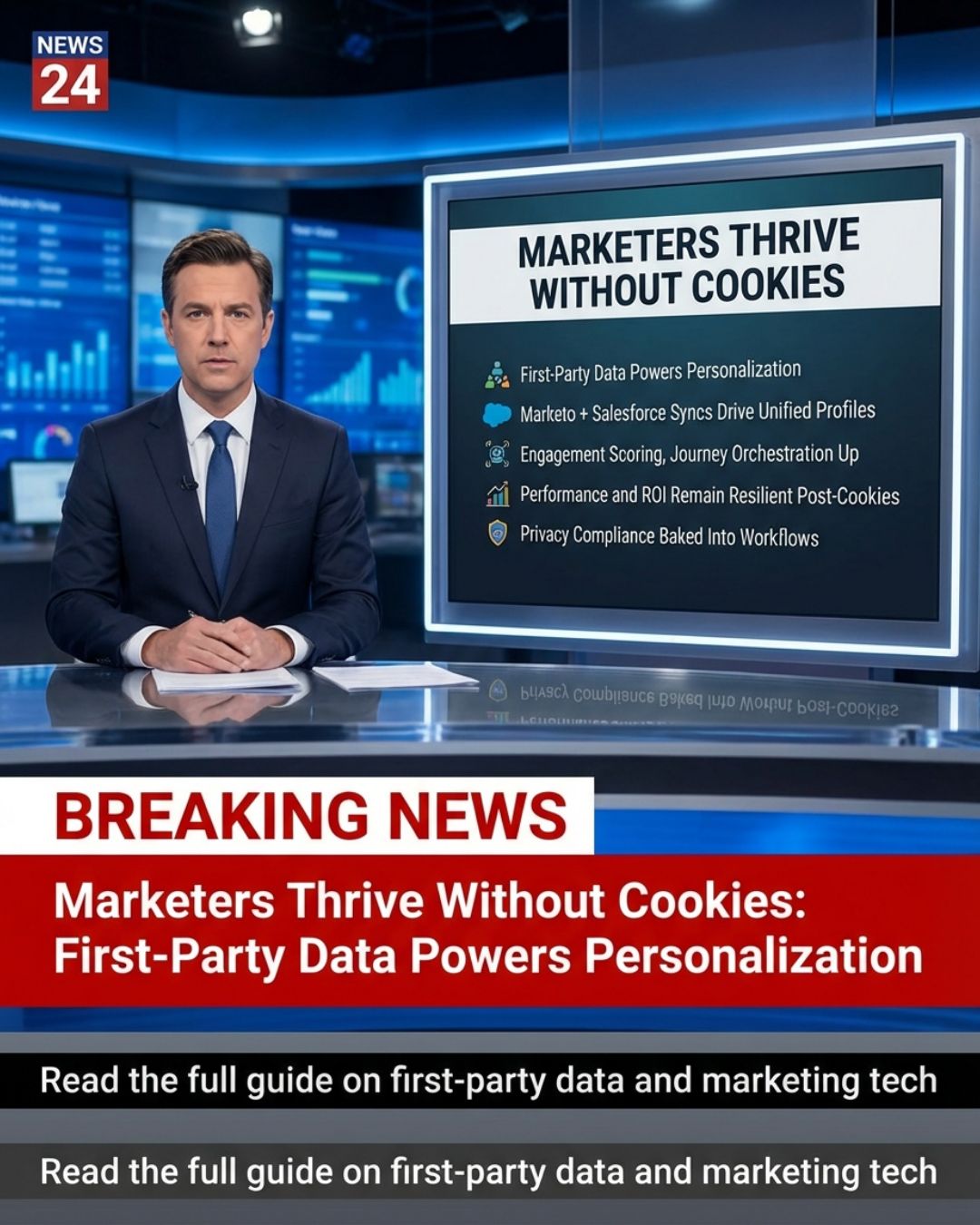
Navigating a Cookieless Future: How Marketers Can Thrive Without Traditional Cookies
As the digital landscape shifts towards a privacy-centric era, enterprise marketers face the challenge of acquiring and maintaining customer insights without relying on third-party cookies. This blog delves into the strategies and technological advancements that enable businesses to adapt to this new environment, ensuring continued success in personalized marketing and automation.
The Impact of a Cookieless World on Marketing Strategies
The gradual phasing out of third-party cookies, driven by regulations like GDPR and browser policies, significantly disrupts traditional audience targeting and tracking methods. Enterprises need to pivot towards more privacy-compliant solutions that prioritize first-party data collection and contextual targeting. This transformation not only preserves customer trust but also enhances data accuracy for more meaningful engagement.
Harnessing Contextual and Identity-Based Solutions
One promising approach is contextual advertising, which targets users based on the content they interact with, rather than their browsing history. Additionally, identity solutions like unified customer IDs and cohort-based targeting offer a way to maintain personalized marketing without invasive tracking. These methods are supported by advancements in AI and machine learning, facilitating more precise audience segmentation.
How Marketo and Salesforce Enable Cookieless Marketing
Platforms like Marketo and Salesforce are integrating capabilities that support first-party data management and identity resolution, empowering enterprise marketers to adapt seamlessly. Marketo’s advanced segmentation features, combined with Salesforce’s Customer 360, enable businesses to create comprehensive, privacy-compliant customer profiles. This approach improves campaign targeting and automates touchpoints across customer journeys.
Practical Implementation: Building a Cookieless Campaign
Here’s a step-by-step tutorial to set up a targeted marketing campaign using first-party data:
- Consolidate Customer Data: Collect data directly from your website, app, and CRM systems. Use Salesforce’s data management platform (DMP) to unify these sources into a single profile.
- Create Audience Segments: Use Marketo’s segmentation tools to define audiences based on engagement, purchase history, and preferences sourced from your CRM.
- Leverage Contextual Data: Incorporate contextual signals, such as content topics or industry verticals, to refine targeting without relying on cookies.
- Personalize Campaigns: Use Marketo’s automation workflows to deliver tailored content via email, ads, or website experiences aligned with the identified segments.
- Monitor and Optimize: Track engagement metrics within Salesforce and adjust your segmentation and messaging strategies accordingly.
Conclusion
Transitioning to a cookieless marketing environment necessitates innovative approaches centered on first-party data and privacy-compliant techniques. By leveraging platforms like Marketo and Salesforce, enterprise businesses can not only remain compliant but also enhance their targeting precision and customer relationships. Embracing these changes will position your brand for success in the evolving digital landscape.

Leave a Reply