 (909) 474-2386
 Suwanee, GA

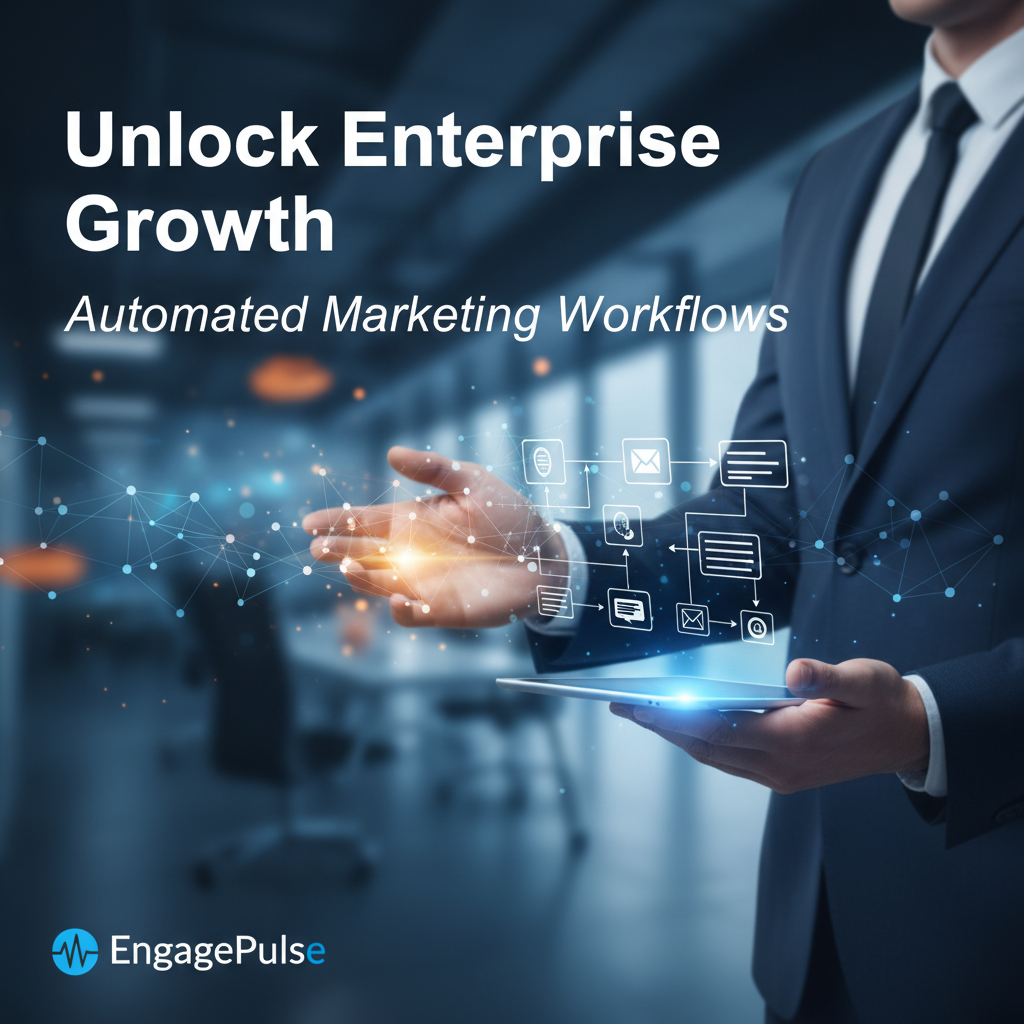
Embracing Automation: How Rethinking Marketing Workflows Can Elevate Enterprise Success
In today’s fast-paced digital landscape, enterprise marketers must evolve beyond manual processes to stay competitive. Recent advancements in marketing technology are shifting the paradigm towards smarter, automated workflows. This blog explores how reimagining marketing workflows with innovative tools can streamline operations, boost efficiency, and foster deeper customer engagement.
Redefining Marketing Workflows with Intelligent Automation
Traditional marketing processes often rely heavily on manual tasks—lead scoring, campaign segmentation, and follow-up nurturing—consuming valuable time and resources. However, recent insights from Martech.org emphasize a movement towards smarter automation that integrates AI and machine learning to optimize these workflows. For enterprise businesses, this shift isn’t just about efficiency; it’s about creating responsive, adaptable marketing ecosystems.
One significant development is the move away from “busy work” towards strategic automation that predicts customer behavior and personalizes engagement at scale. For example, AI-powered tools can now analyze vast datasets to identify prospects most likely to convert, then automatically tailor messaging across channels. This transition reduces manual oversight and empowers marketing teams to focus on strategic planning and creative initiatives.
Implementation Strategies for Enterprise Marketers
To successfully harness these advancements, organizations should begin by mapping existing workflows to identify repetitive tasks ripe for automation. Integrating CRM platforms like HubSpot, Marketo, or Salesforce with AI modules can facilitate seamless execution. For instance, Marketo’s AI-driven analytics can automatically adjust lead scores based on engagement patterns, ensuring sales teams prioritize high-value prospects.
Beyond automation, adopting a data-centric mindset fosters continuous optimization. Regularly reviewing performance metrics—open rates, engagement, conversion—is essential in refining workflows that adapt in real time. Additionally, training teams on new tools ensures they are equipped to leverage automation features effectively.
Case Study: Automating Lead Nurturing with Marketo
Imagine an enterprise eCommerce platform using Marketo’s AI capabilities to personalize email campaigns. The platform integrates customer browsing behavior into Marketo’s scoring system, automatically adjusting lead scores and triggering targeted follow-ups. This results in higher conversion rates with minimal manual oversight.
How to Set Up Automated Lead Scoring in Marketo
- Navigate to Marketo’s Lead Scoring section.
- Create scoring rules based on customer interactions—email opens, click-throughs, website visits.
- Define thresholds for the scores that trigger specific actions, like a sales alert or email follow-up.
- Test the scoring model with a segment of your audience, and monitor results.
- Refine the rules based on performance data for optimal results.
Conclusion
By rethinking marketing workflows through automation and smart technology, enterprise businesses can significantly improve operational efficiency and customer engagement. Moving away from manual, time-consuming tasks towards AI-driven decision-making allows marketers to focus on strategic initiatives that drive growth. Embracing these innovations today paves the way for a more agile and responsive marketing future.

Leave a Reply