 (909) 474-2386
 Suwanee, GA

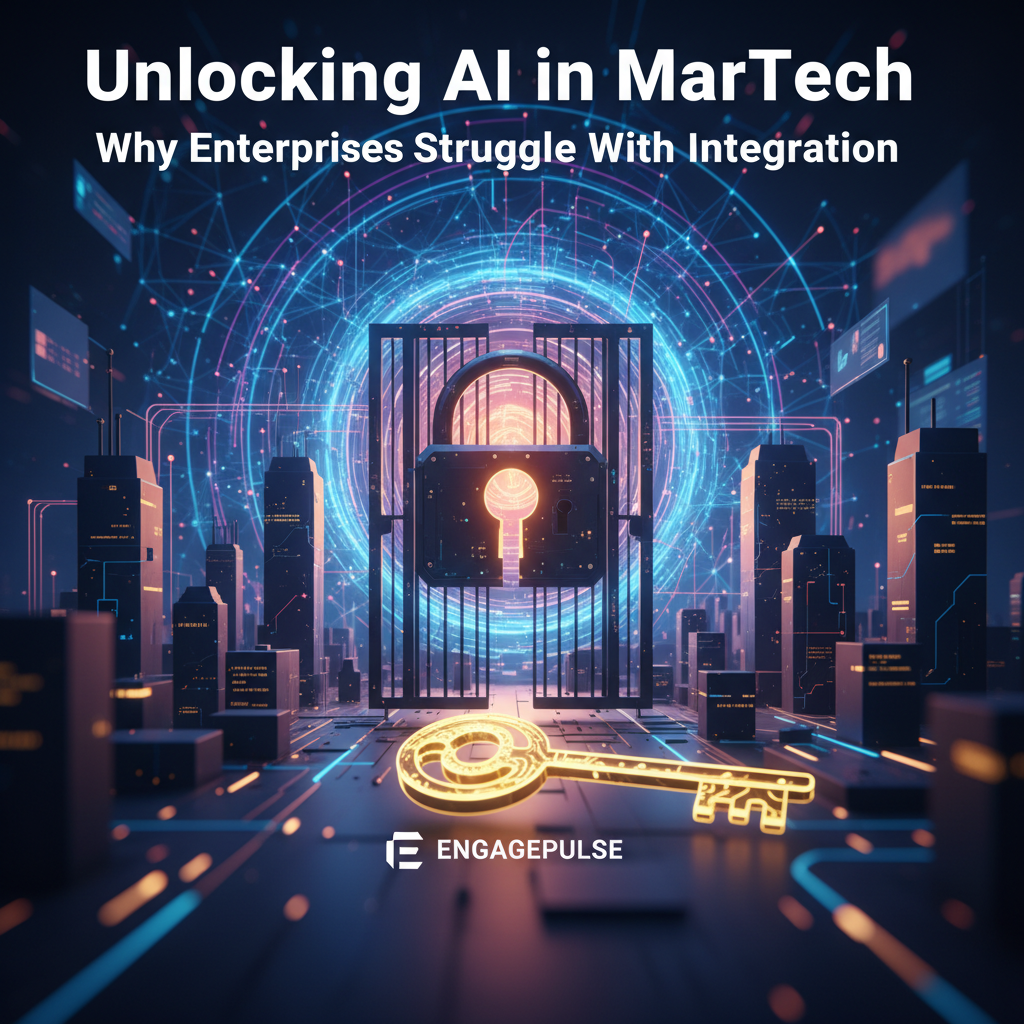
The Challenges and Opportunities of AI Integration in MarTech for Enterprise Businesses
Artificial Intelligence (AI) adoption in marketing technology has surged, promising enhanced personalization, automation, and data-driven decision-making. However, many enterprises face significant hurdles in fully integrating AI solutions with existing MarTech stacks. This article explores the current landscape of AI integration challenges and how enterprises can leverage the right strategies to maximize their marketing automation potential.
Understanding AI Adoption Versus Integration Challenges
Recent reports, such as those highlighted on martech.org, indicate that while AI adoption in marketing is at an all-time high, seamless integration remains elusive for many organizations. This discrepancy stems from several factors including fragmented data sources, legacy systems, and the complexities of operational workflows. For enterprise businesses, the promise of AI can often be hindered by the technical hurdles involved in harmonizing disparate platforms such as Salesforce, HubSpot, or Marketo.
Key Barriers to Effective AI Integration
- Data Silos: Data stored across various departments and systems prevents AI algorithms from accessing a unified view, reducing their effectiveness.
- Legacy Infrastructure: outdated systems are often incompatible with modern AI tools, necessitating complex migration or middleware solutions.
- Skill Gaps: Implementing AI solutions requires specialized expertise that many enterprises lack internally.
- Complexity of Customization: Tailoring AI tools to specific industry needs involves significant effort and ongoing maintenance.
Strategies to Overcome Integration Challenges
To bridge the gap between AI adoption and operational integration, enterprise marketers should focus on creating a flexible, unified MarTech ecosystem. Utilizing cloud-based integrations and middleware platforms can streamline data flow. Additionally, investing in staff training and involving cross-functional teams early in the process can facilitate smoother implementation.
Practical Example: Leveraging Marketo’s AI Capabilities
Marketo’s AI-powered features, such as predictive content personalization and lead scoring, exemplify how enterprise businesses can enhance marketing efforts. Here’s a quick tutorial on integrating Marketo’s predictive lead scoring with your CRM:
- Connect your CRM: Use Marketo’s native integrations to sync your Salesforce or HubSpot data.
- Enable Predictive Lead Scoring: Navigate to Marketo’s ‘Analytics & Reporting’ tab and select ‘Predictive Content & Lead Scoring.’
- Configure Scoring Models: Customize scoring parameters based on historical data like engagement scores, demographic fit, and behavioral signals.
- Automate Action Triggers: Set up automated workflows to nurture leads based on scoring thresholds, ensuring timely engagement.
This process helps sales teams prioritize high-quality leads, boosting conversion rates and optimizing marketing ROI across enterprise accounts.
Conclusion
While integrating AI into enterprise MarTech environments presents challenges, targeted strategies and the right platform integrations can unlock substantial value. Enterprises that focus on data unification and skill development will be better positioned to harness AI’s full potential. By doing so, they can create more personalized, automated, and effective marketing campaigns that drive growth and competitive advantage.

Leave a Reply