 (909) 474-2386
 Suwanee, GA

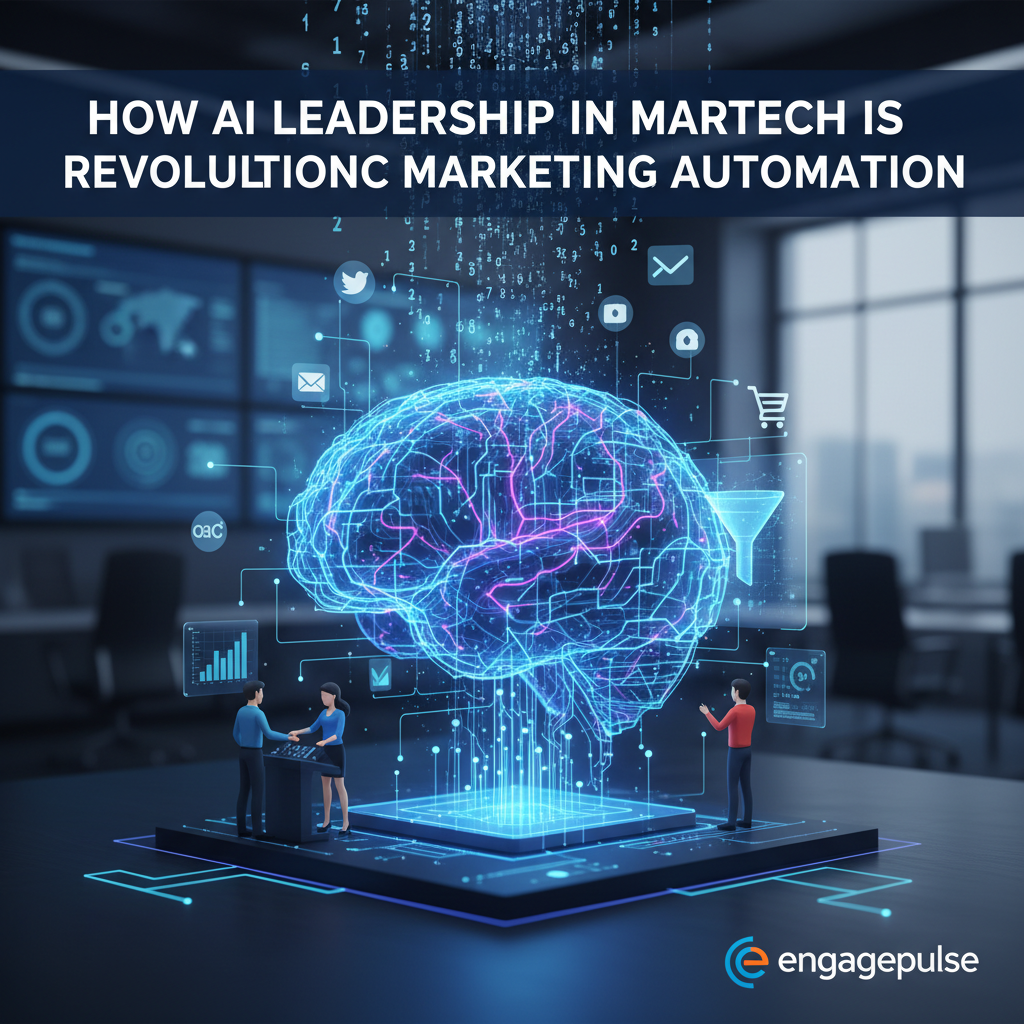
The Rise of AI Leadership in Martech: Navigating the Future of Marketing Automation
As marketing technology continues to evolve rapidly, the role of leadership is shifting towards a more AI-driven approach. Enterprise businesses need to understand how these changes impact strategic decision-making, talent development, and overall marketing effectiveness. In this post, we’ll explore how AI advancements are transforming leadership in marketing operations and what it means for your organization.
Recent insights from martech.org highlight that AI is not just automating tasks but reshaping the skill sets and strategic priorities of marketing leaders. Traditional roles centered on campaign management are now expanding to include data science, AI oversight, and ethical considerations. Leaders must develop new competencies to effectively harness AI’s potential while navigating its challenges. This shift demands a reevaluation of talent acquisition, training, and organizational culture to prioritize agility and digital literacy.
Transforming Leadership with AI: Key Trends and Implications
One of the most significant trends is the rise of AI-powered analytics tools that enable real-time decision-making. These tools aggregate data across multiple channels, providing marketing leaders with actionable insights faster than ever before. For example, platforms like Marketo and HubSpot now incorporate AI modules that identify patterns and predict customer behavior, allowing for more personalized campaigns.
This technological shift also influences leadership qualities. Successful marketers now need to be data-savvy, with an emphasis on strategic agility. Ethical considerations around AI, such as bias and privacy, are gaining importance, requiring leaders to establish guidelines and governance frameworks. This new leadership model emphasizes collaboration with data scientists and AI specialists to ensure responsible use of technology.
Harnessing AI with Your CRM: Practical Steps for Enterprise Success
To illustrate, consider Salesforce’s Einstein AI embedded within their CRM. This feature automates lead scoring, email personalization, and predictive forecasting, streamlining sales and marketing alignment. An effective implementation involves integrating Einstein with your existing workflow to maximize efficiency and accuracy.
Here’s a simple tutorial to get started:
- Open Salesforce and navigate to the Einstein section in your CRM dashboard.
- Connect Einstein to your marketing campaigns and customer data sources.
- Configure predictive models for lead scoring based on historical engagement data.
- Set automation rules so that high-scoring leads automatically receive tailored outreach.
- Monitor performance metrics and iterate your models for continuous improvement.
Conclusion
AI-driven leadership is reshaping marketing management, emphasizing data literacy, ethical oversight, and strategic flexibility. Enterprises leveraging these technological advancements can gain a competitive edge through smarter, faster decision-making and more personalized customer experiences. Embracing these changes now positions your organization for sustained growth in the evolving Martech landscape.

Leave a Reply